Prime DRI, HBI &
Smelting Feedstock
(DRI/HBI: Fe Total 90%+ • Pellets: Fe 65%–67.5%)
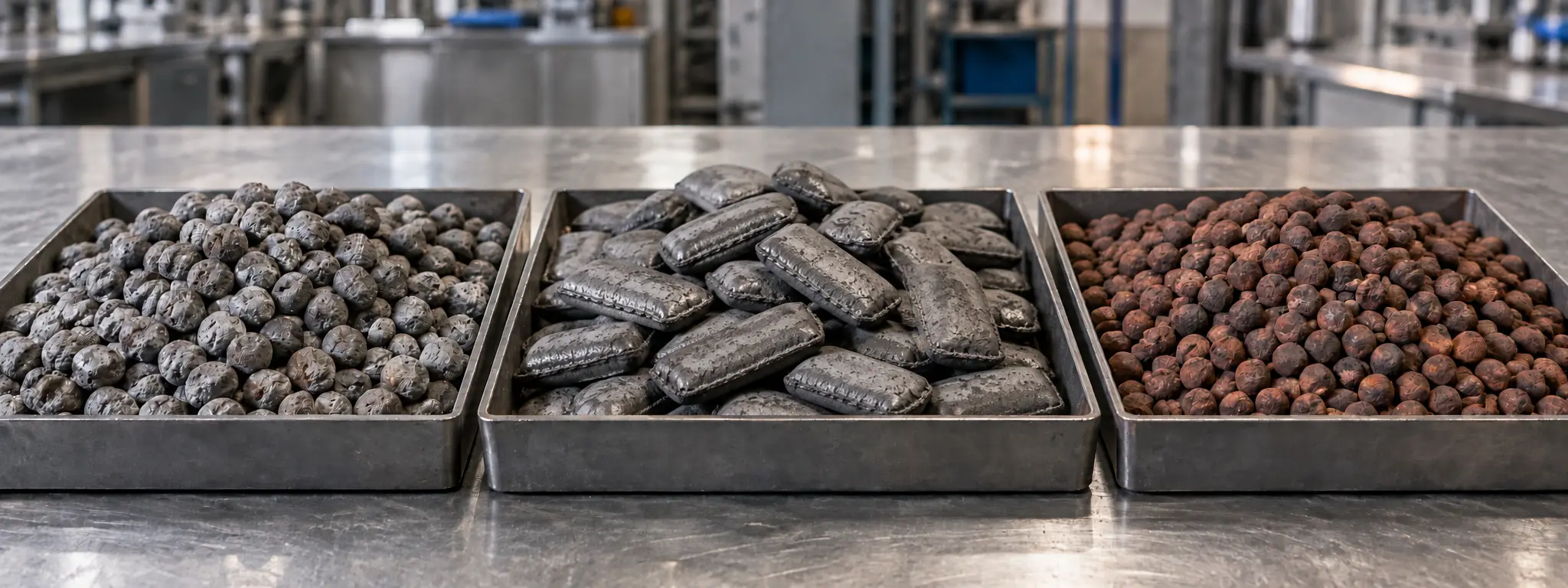
Direct producer allocation of gas-based Direct Reduced Iron (DRI Pellets / Sponge Iron), Hot Briquetted Iron (HBI), high-grade Blast Furnace Iron Ore Pellets (65%+ Fe), and clean Heavy Melting Steel Scrap (HMS 1&2). Engineered for high-productivity Electric Arc Furnace (EAF) and Induction Furnace (IF) steelmakers requiring verified metallization, ultra-low residual tramp elements (Cu, Sn, Pb, As ≤ 0.02%), and uniform melt-in carbon. Shipped in chartered Supramax and Panamax bulk parcels (CIF/CFR) with mandatory SGS / Intertek load-port chemical assays and IMO IMSBC sea-transit safety compliance.
High-Purity Metallic Feedstock for Electric Arc Furnaces,
Induction Melt Shops & Modern Steelmaking.
In secondary and integrated steelmaking, raw melt productivity, tap-to-tap electrical power consumption, and finished rebar ductility depend entirely upon the purity of the solid metallic charge. As scrap recycling streams experience worsening contamination from unoxidizable residual elements—most notably copper, tin, nickel, and arsenic—steelmakers cannot manufacture high-tensile earthquake-resistant rebar, high-grade draw wire, or special engineering steels from 100% recycled scrap without severe cracking risk.
Asia & Africa General Trading bridges global primary direct-reduction plants with secondary rolling mills and melt shops across Africa, the Middle East, and Asia. We supply continuous allocations of gas-based Direct Reduced Iron (DRI / Sponge Iron Pellets), Hot Briquetted Iron (HBI), blast furnace iron ore pellets (65.5%–67.5% Fe), and clean Heavy Melting Scrap (HMS 1&2 / ISRI 200–206). Every cargo features guaranteed high metallization (92% to 95%), calibrated carbon (1.5% to 2.5% for vigorous EAF bath boiling), and ultra-low phosphorus and sulfur.
Operating with 20+ years of maritime trading heritage, our operations desk charters dedicated Handymax, Supramax, and Panamax bulk carriers. We manage specialized IMO IMSBC safety procedures—including certified inert gas nitrogen blankets for cold DRI and hold temperature surveillance—delivering cargo safely to deep-water seaports.
Chemical Composition & Physical Parameters
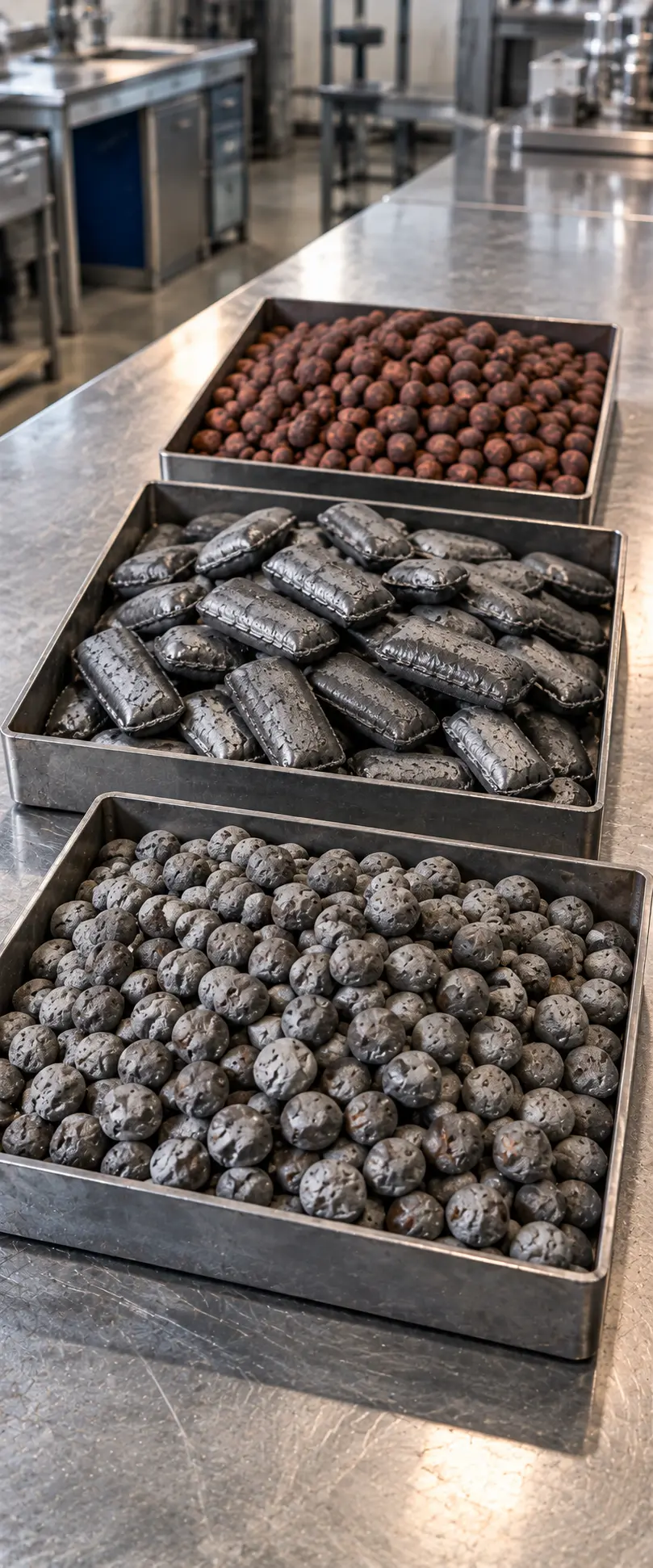
Full ladle assays and certified ISO / ASTM parameters for gas-based DRI, high-density HBI, blast furnace iron ore pellets, and Heavy Melting Steel Scrap.
Table 1: Direct Reduced Iron (DRI Pellets) & Hot Briquetted Iron (HBI)
Standard Gas-Based Reduction • ISO 2597 / ASTM E246| Metallurgical Property | Direct Reduced Iron (DRI Pellets) | Hot Briquetted Iron (HBI) | Test Standard / Method |
|---|---|---|---|
| Total Iron (Fe_total) | 90.00% – 93.00% min | 90.50% – 93.50% min | ASTM E246 / ISO 2597-1 Titration |
| Metallic Iron (Fe_met) | 83.00% – 86.50% min | 83.50% – 87.00% min | Ferric Chloride Chemical Assay |
| Metallization Degree (%) | 92.00% – 95.00% min | 92.50% – 95.50% min | (Fe_met / Fe_total) × 100 |
| Carbon Content (C) | 1.50% – 2.50% (Calibrated) | 0.80% – 1.60% (Controlled) | Infrared Combustion (LECO) |
| Total Gangue (SiO2 + Al2O3) | ≤ 4.20% max (Low acidic slag) | ≤ 4.00% max | X-Ray Fluorescence (XRF) |
| Phosphorus (P) | ≤ 0.035% max | ≤ 0.030% max | Optical Emission Spectrometry |
| Sulfur (S) | ≤ 0.015% max | ≤ 0.012% max | Combustion / Infrared Detection |
| Apparent Density | 3.40 – 3.60 g/cm³ | > 5.00 g/cm³ (High Density) | Water Displacement Method |
| Bulk Density | 1.60 – 1.90 t/m³ | 2.40 – 2.80 t/m³ | ASTM C29 Loose Bulk Method |
| Physical Sizing | 4mm – 16mm pellets (≥95%) | 30 × 50 × 110 mm briquettes | Screen Analysis (Mechanical Shaker) |
| IMO IMSBC Maritime Code | Schedule B (Inert Gas / Nitrogen Blanket) | Schedule A (Standard Bulk Carrier) | IMO Bulk Cargo Safety Regulations |
Table 2: Blast Furnace Pellets & Heavy Melting Scrap (HMS 1&2)
Feedstock Allocation • ISRI 200–206 • ISO 4700| Product Grade | Key Specification | Physical Dimensions | Certified Assurance |
|---|---|---|---|
| Blast Furnace Pellets (BF Grade) | Fe 65.5% min • SiO2 ≤ 4.5% • Al2O3 ≤ 1.8% | 9mm – 16mm (≥94%) | Cold Crushing Strength (CCS ≥ 250 daN/pellet); Tumbler Index ≥ 95% |
| Direct Reduction Pellets (DR Grade) | Fe 67.0% – 67.8% min • SiO2+Al2O3 ≤ 2.5% | 9mm – 16mm (≥95%) | High Reducibility (dR/dt); Ultra-low sulfur (≤0.005%) & phosphorus |
| Heavy Melting Scrap (HMS 1 / ISRI 200) | Wrought iron / steel scrap ≥ 6mm thickness | Max dimensions 1.5m × 0.5m | 100% free of sealed cylinders, ordnance; Zero radiation certificate |
| Heavy Melting Scrap (HMS 1&2 / 80:20) | 80% HMS 1 (≥6mm) • 20% HMS 2 (≥3mm) | Charge box size (≤ 1.5m) | Clean sheared scrap, free of excessive rust, lead, or cast iron |
| Shredded Steel Scrap (ISRI 211) | Homogeneous magnetically separated fragments | Average size 50mm – 200mm | Density ≥ 0.9 t/m³; Non-metallic impurities ≤ 1.0% |
Primary Metallurgy & Furnace Charging Operations
Engineered solid iron units supporting continuous melting, dynamic carbon monoxide boiling, tramp element dilution, and energy-optimized tap-to-tap cycles.
 01
01
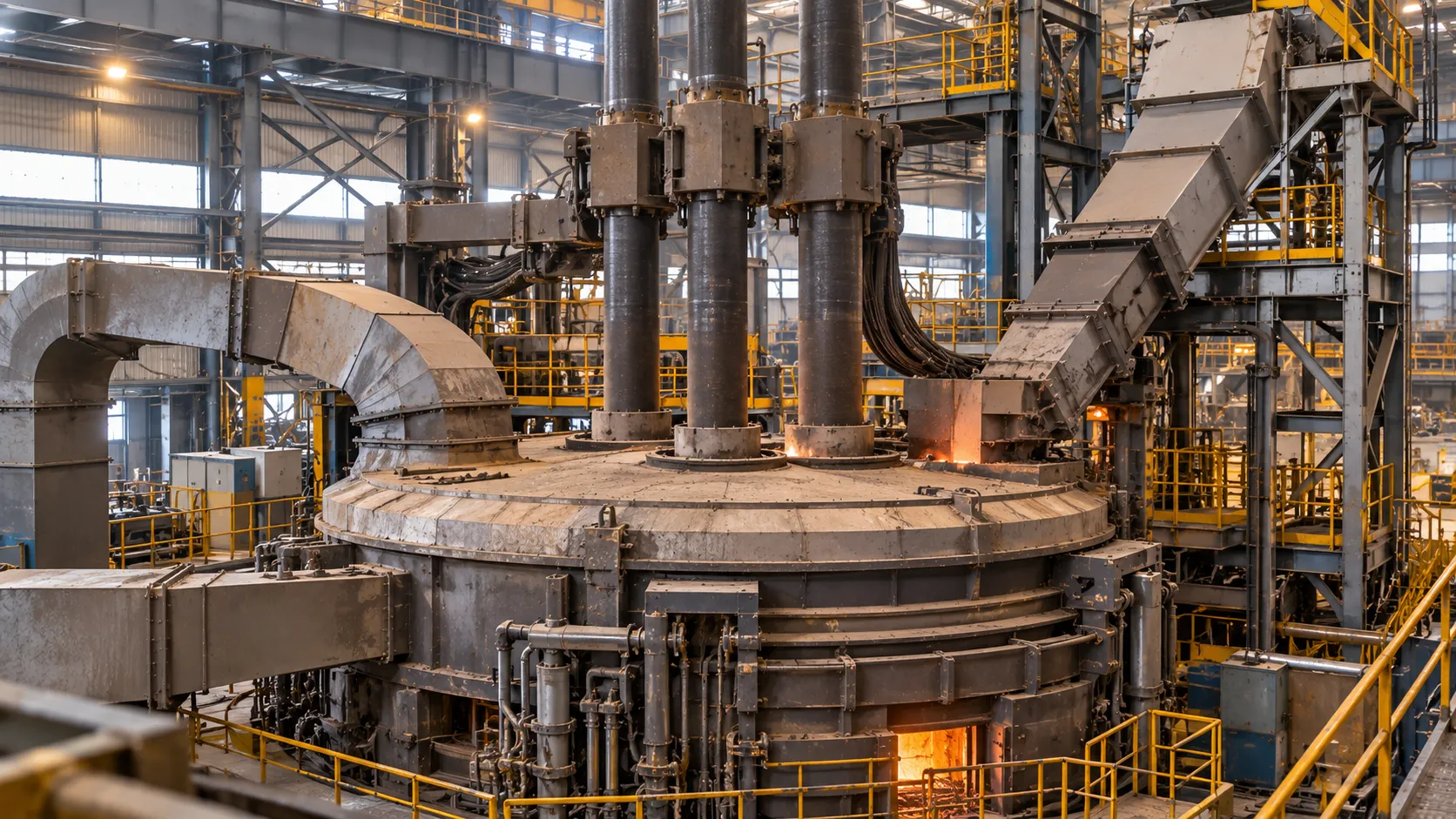
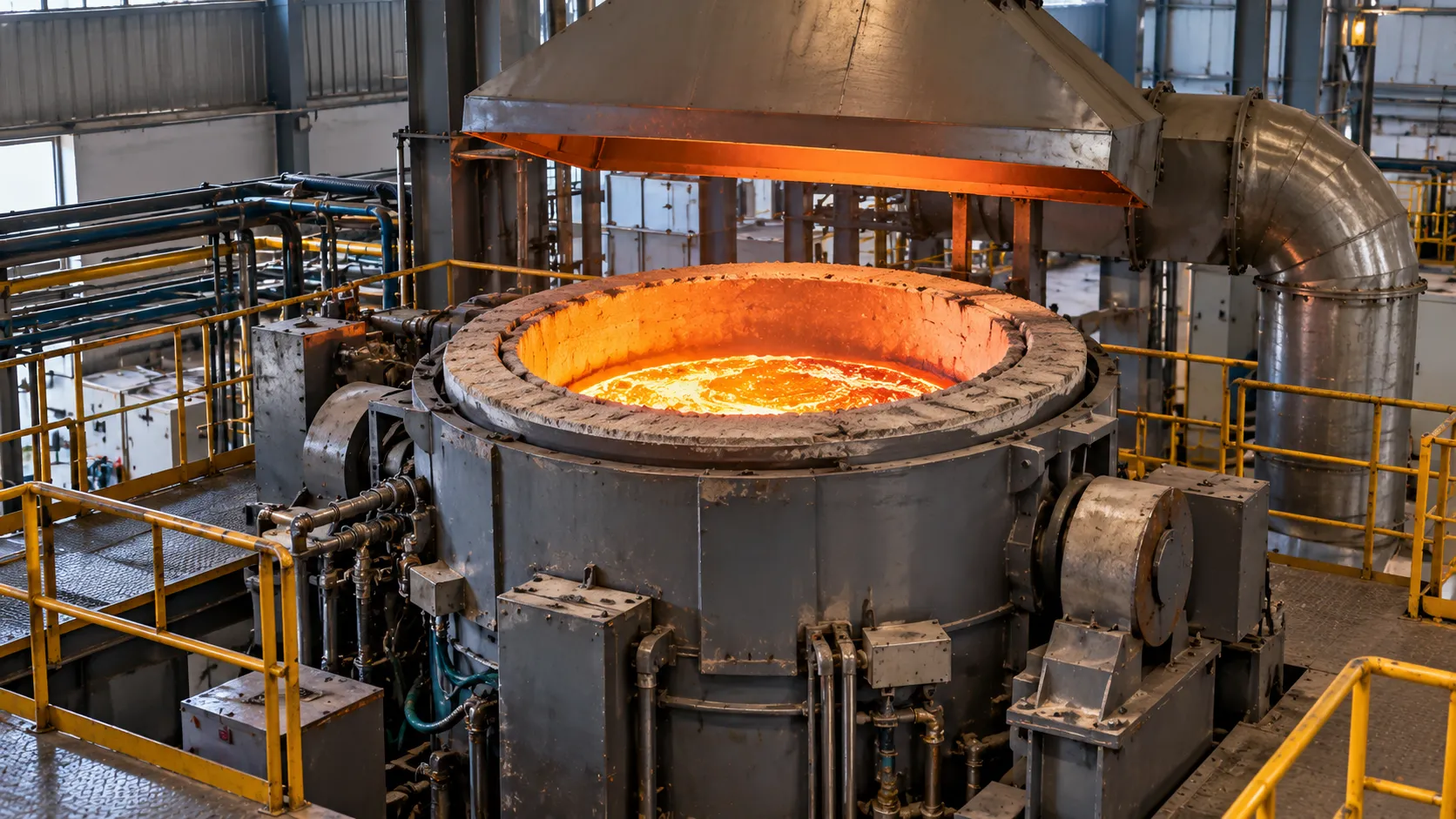
Electric Arc Furnace (EAF) Continuous Charging
Pneumatic or roof gravity feed systems charge DRI pellets continuously through the EAF 5th hole into molten steel baths. Calibrated 2.0% carbon drives a vigorous, foamy CO slag boil that shields refractories, stabilizes arcs, and reduces power-on time.
 02
02
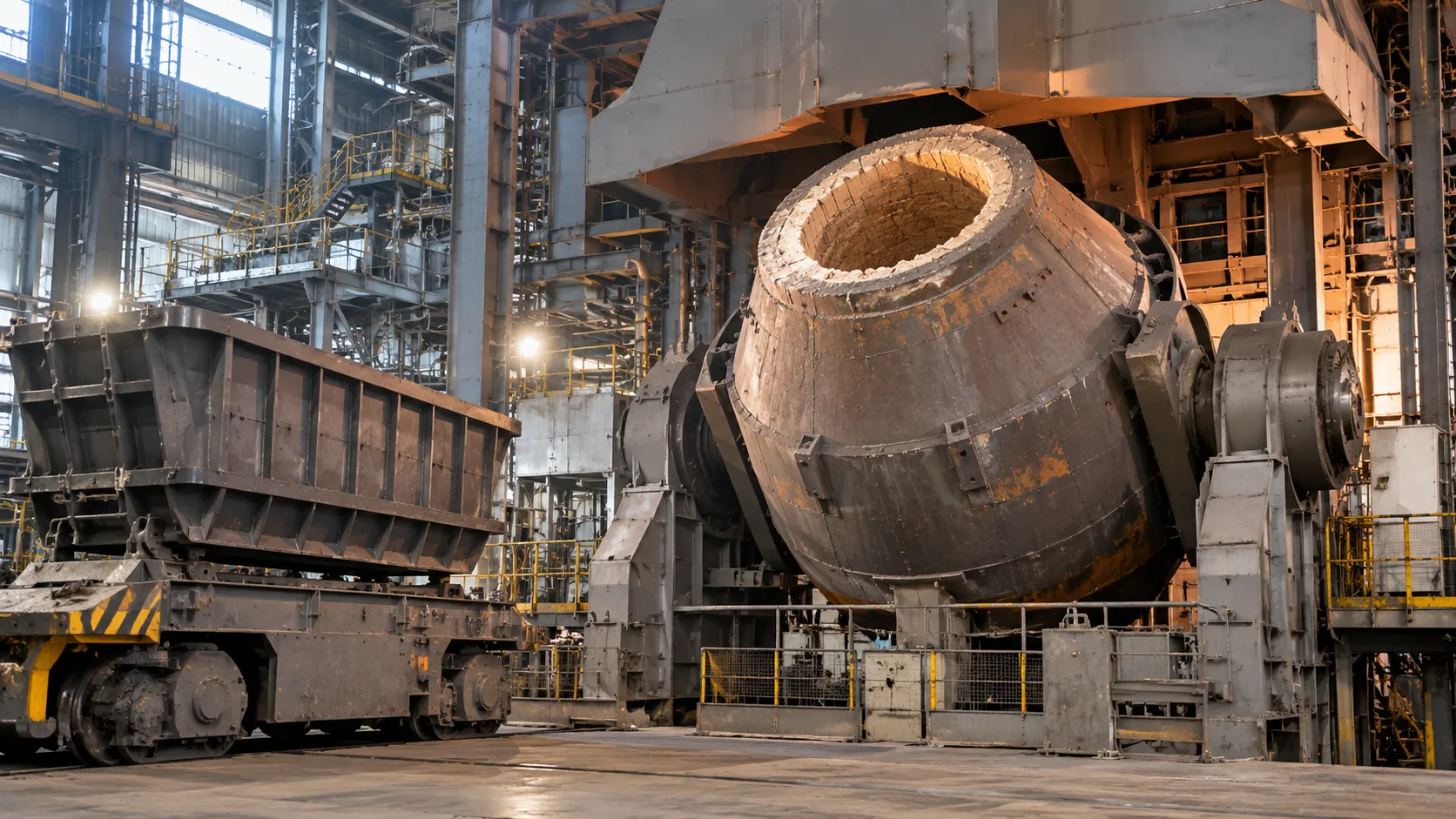
Induction Furnace (IF) Secondary Melting
Coreless induction melt shops charge 40% to 70% DRI pellets with clean scrap to establish predictable melt chemistry, minimize sulfur buildup, and eliminate the unpredictable chemistry spikes caused by low-grade local scrap.
 03
03
BOF Converter Coolant & Scrap Substitution
Integrated BOF steelmakers utilize high-density Hot Briquetted Iron (>5.0 g/cm³) as an efficient, heavy coolant during oxygen blowing. High density penetrates liquid slag instantly without floating or causing violent slopping, maximizing iron yield.
 04
04
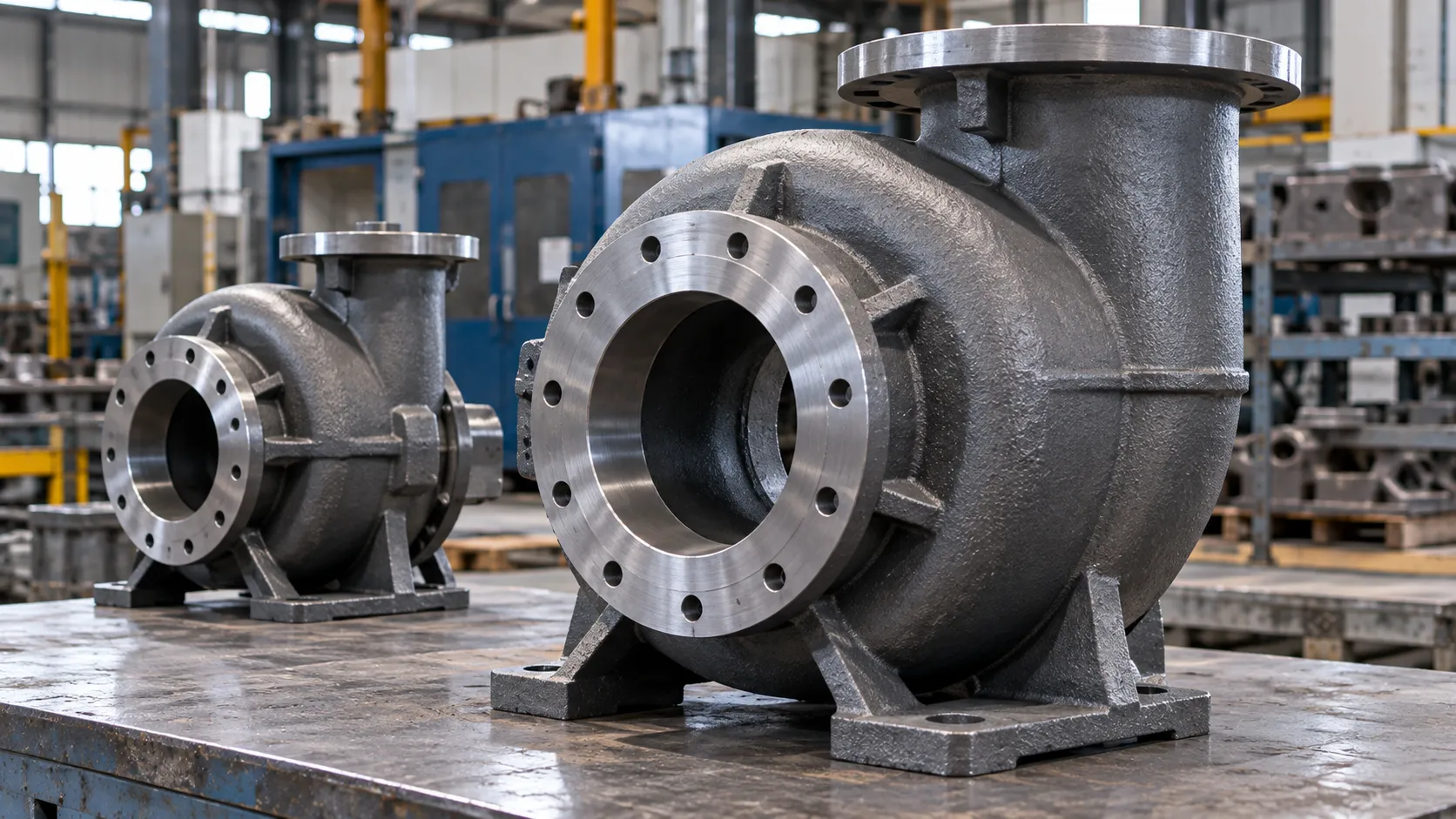
High-Integrity Ductile & Grey Iron Castings
Foundries producing automotive crankshafts, high-pressure pump casings, and wind turbine housings melt HBI as a pure virgin iron base. Zero residual elements guarantee complete nodularity and prevent micro-carbide formation.
 05
05
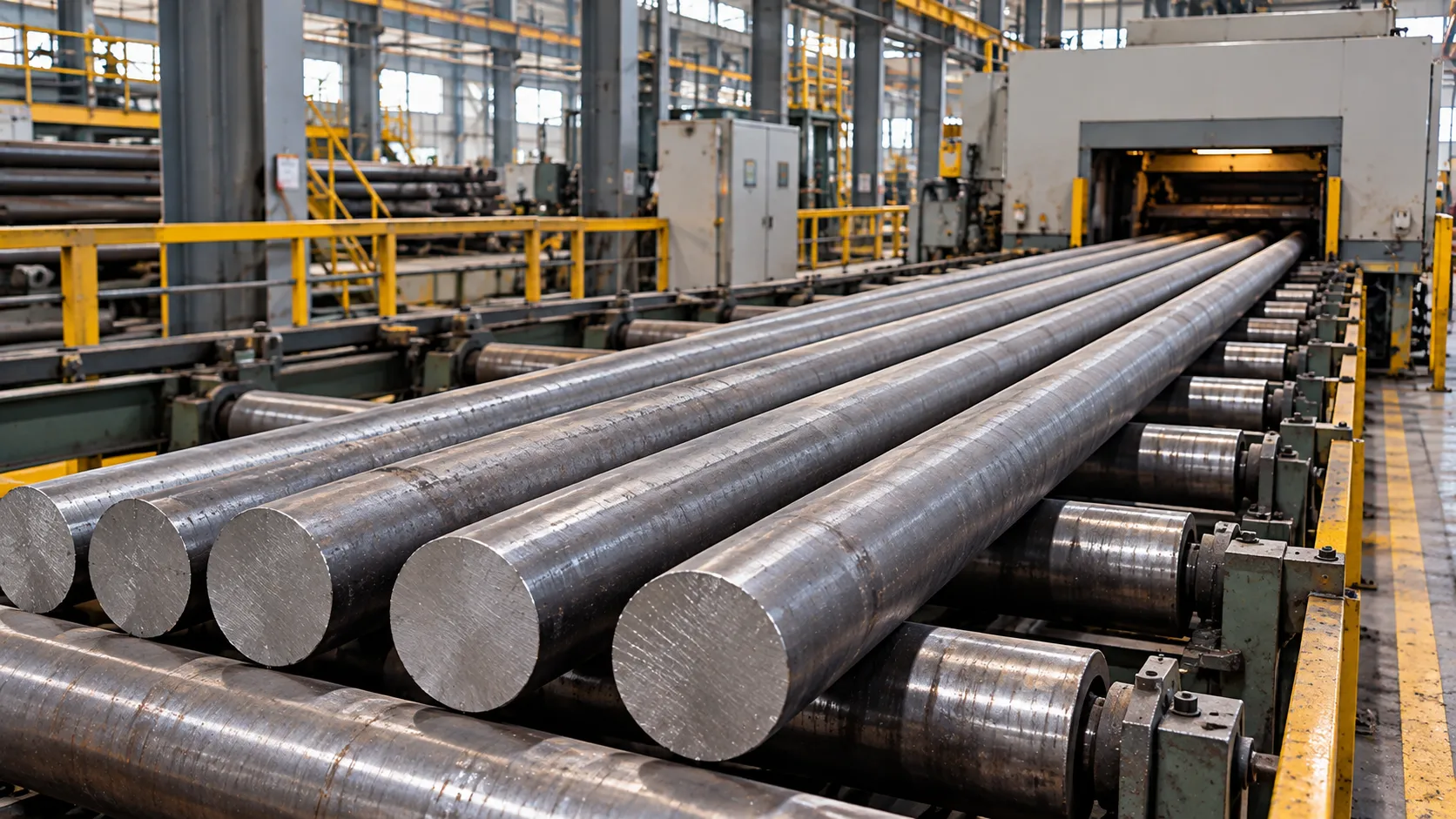
Special Bar Quality (SBQ) & Micro-Alloyed Steels
Steel plants manufacturing bearing steels, high-tensile prestressed wire rod, and automotive forging bars charge DRI to keep total copper plus tin below 0.02%, preventing surface embrittlement and hot-rolling check cracking.
 06
06
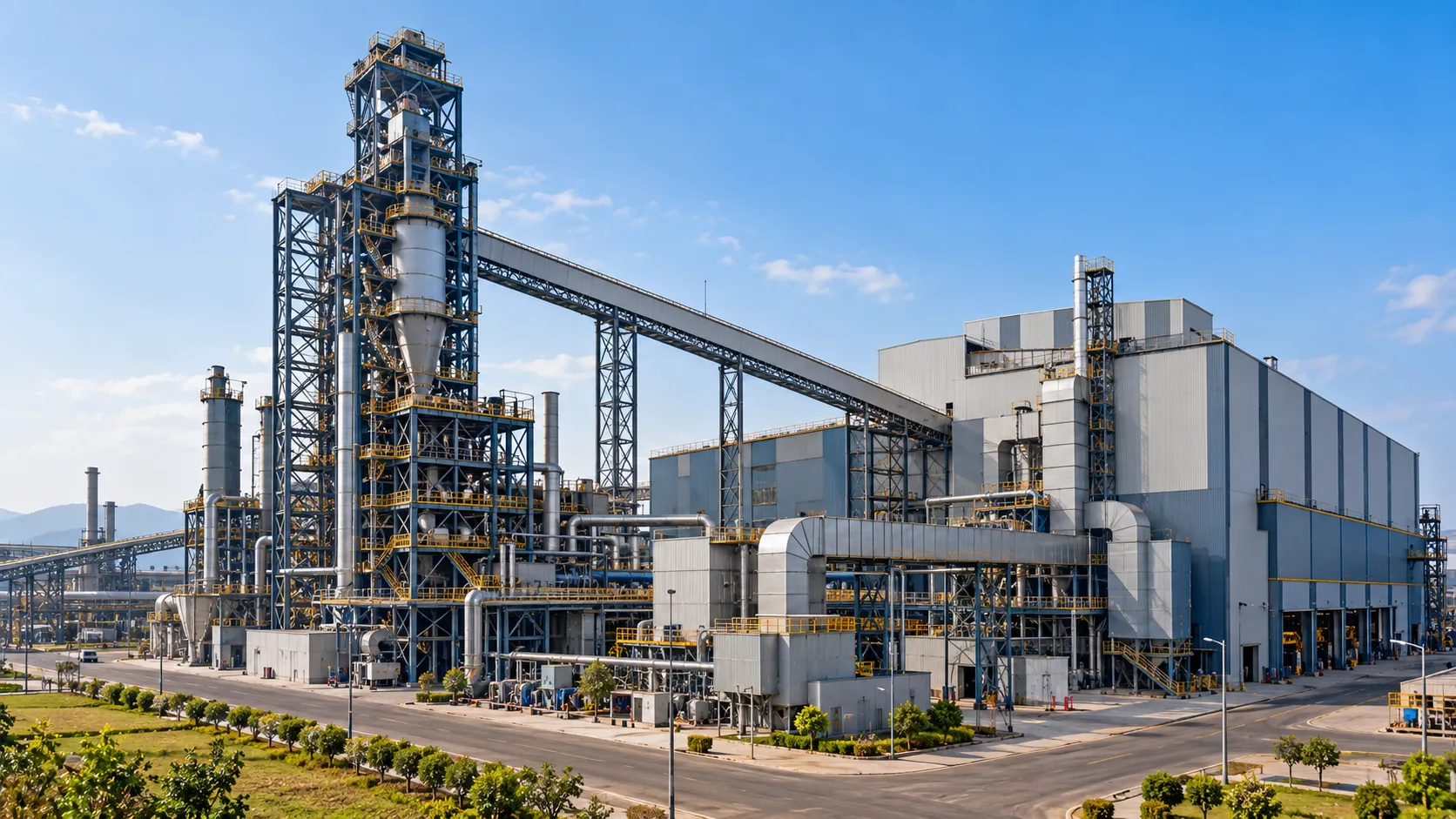
Low-Carbon Green Steelmaking Roadmaps
Progressive steelmakers transitioning away from blast furnaces toward low-emission electric arc operations rely on gas-based and green-hydrogen-ready DRI/HBI to meet Scope 1 and Scope 2 carbon emission reduction mandates under international ESG audits.
Four Pillars of Feedstock Verification & Shipping Safety
Every shipment is independently sampled, chemically titrated, and maritime-safety certified prior to vessel departure, eliminating metallurgical and commercial risk for procurement teams.
Independent Load Port Titration (SGS / Intertek)
SGS or Intertek chemists extract composite cargo samples directly from quay conveyers during loading. Wet chemical titration per ASTM E246 verifies Total Fe, Metallic Fe, and Metallization % before issuance of final commercial assay documents.
IMO IMSBC Passivation & Safety Compliance
HBI parcels receive certified high-density verification (>5.0 g/cm³) per IMO IMSBC Schedule A. DRI pellet holds are inspected for weather-tight seal integrity, and inert nitrogen blankets are injected to maintain oxygen levels below 5% throughout ocean voyages.
Zero-Radiation & Impurity Inspection
All Heavy Melting Scrap (HMS 1&2 / Shredded) passes continuous portal monitor radiological scanning and handheld Geiger verification (<0.2 µSv/h above ambient background), certifying 100% freedom from closed vessels, ordnance, and heavy contamination.
Secure Bank Letters of Credit (LC at Sight)
Payment execution conducted under standard ICC UCP 600 regulations via 100% Irrevocable Letters of Credit (LC) at sight issued through Tier-1 prime international banks in Dubai, London, and Singapore, releasing funds strictly upon clean shipping documents.
Where We Deliver — Major Seaports & Markets
Direct breakbulk charters connecting major direct reduction plants and pelletizing terminals to primary melt shop discharge hubs across South Asia, the Middle East, Africa, and Southeast Asia.
India & South Asia
Massive Melting CapacitySouth Asia maintains the world's largest concentration of coreless induction furnace melt shops and secondary re-rolling mills. High protective import duties on finished steel compel regional mills to import substantial volumes of primary melting feedstock—specifically DRI, HBI, and iron ore pellets.
GCC & Middle East
Direct Reduction HubsCompetitive natural gas supplies make the Arabian Gulf a prime global center for DRI/HBI production and consumption. Expanding regional electric arc furnace capacities supply mega-infrastructure projects under Saudi Vision 2030, NEOM, and UAE industrial zones.
West & North Africa
Expanding Mini-MillsGrowing domestic steel industries across Egypt, Nigeria, Ghana, and Algeria operate modern EAF melt shops that rely on steady seaborne imports of virgin iron units and high-density HBI to balance inconsistent local scrap collection streams.
Southeast Asia
EAF ModernizationRapid industrialization and decarbonization across ASEAN nations drive mini-mills in Vietnam, Indonesia, Thailand, and Malaysia to incorporate higher percentages of HBI and DR pellets to improve rebar ductility and lower furnace emissions.
Frequently Asked Questions on DRI, HBI & Smelting Feedstock
Technical and commercial clarity for melt shop superintendents, scrap procurement directors, metallurgists, and EPC steelmakers regarding chemical specs, ocean chartering, and Letter of Credit terms.
Direct Mill Supply Desk